


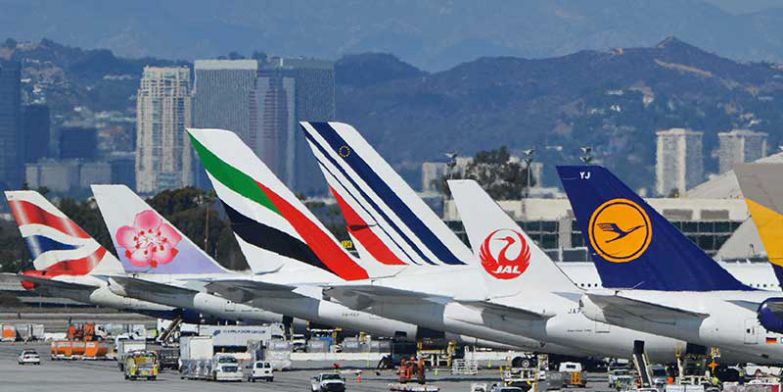
Current air freight supply and demand dynamics will maintain elevated prices through the peak season and into 2022, with some predicting that systemic market changes will keep rates at an elevated level into the long term.
The rate of air freight rate growth has slowed on many routes, since peaking at the beginning of May, but rates remain exceptionally high, particularly from Asia.
The effective grounding of the world’s passenger aircraft fleet, at the start of the pandemic, and the removal of the related belly-hold space, cut global air cargo capacity by 55%.
The lack of belly-hold capacity is still an issue, as slow vaccine rollouts and resurgent COVID variants have kept a lid on passenger numbers recovering.
Boeing is predicting that the global air fleet will grow by 3.2% annually over the coming 20 years, while cargo demand is expected to increase by around 4% each year over that same time, meaning that available belly freight capacity will fall and suggests that the low freight rates seen in the ten years prior to 2020 may have come to an end.
Consumer driven demand for goods has remained at the highest levels since Q3 2020 and shows no signs of abating, even as we enter what should be the traditional air freight summer lull.
Consumption remains high, inventories low, and supply chain disruption keeping inventories under pressure, with industrial goods, building materials, semiconductors and electronics equipment all in short supply due to breakdowns and delays in the supply chain. This is without considerations of the turmoil and impact of the ocean freight container market woes that are being experienced on a scale unprecedented in history, creating unimaginable delays on products destined for global markets.
The expectation that consumers would pivot from goods to services, leading to slower freight growth in the second half of 2021 is unlikely now, particularly as foreign-holidays and other travel are doubtful, leaving elevated savings intact and available to be disposed of in other ways.
Normal channels of distribution are facing severe backlogs, and shippers with high value or time sensitive goods are struggling to find solutions. Even creative service options, like trucking to inland airports, or moving via tertiary ocean ports are now not always viable.
With so many shippers prepared to pay ‘whatever it takes’ to move their product, the current supply and demand trends are very likely to push elevated rates through peak season and into 2022, and possibly beyond.
We work closely with leading airlines, cargo carriers and key hub partners to offer the widest range of time-sensitive solutions, routes and transit times, at competitive rates.