



Amid rising concerns about security threats in European logistics networks, the US and Canadian governments have introduced new air cargo security protocols aimed at mitigating risks posed by incendiary devices found in parcel shipments.
The discovery of two devices at a Leipzig parcel logistics hub in July, which were believed to have originated from the Baltics, has raised alarms about possible Russian involvement in a campaign to disrupt global supply chains.
The US Transportation Security Administration (TSA) responded to the German security alert on the 21st August by issuing Cargo Security Directive No. 1544-24-02. While the directive’s specific details remain classified, it is known to require air carriers to provide additional information on the shippers and consignees of all cargo entering the US.
This move is part of an effort to prevent dangerous materials from infiltrating air cargo networks and at least one carrier has temporarily suspended shipments to the US from Europe, the CIS, and the Middle East until mid-November.
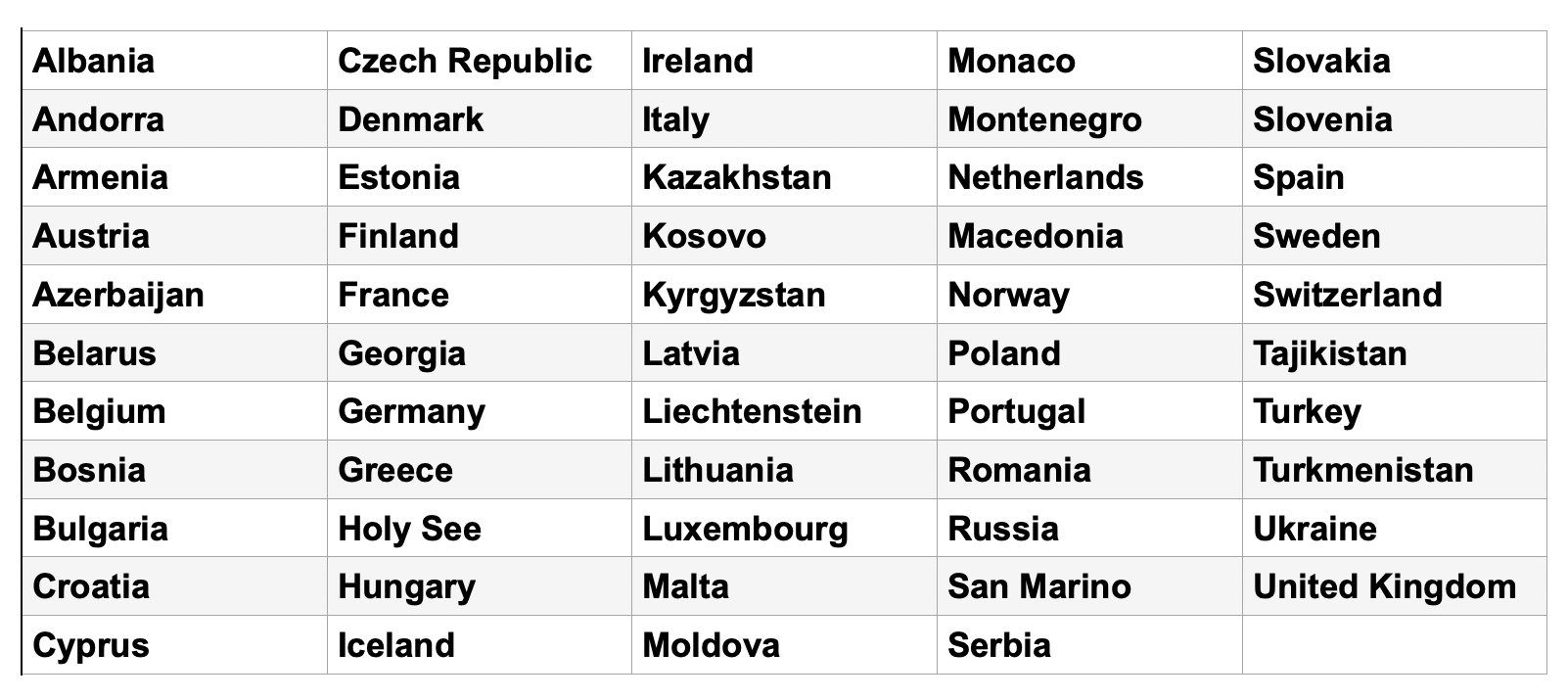
Shortly after, on the 4th September, Transport Canada followed suit by implementing its own set of security measures. Transport Canada’s mandate requires that all air cargo from 55 European and Central Asian countries come from established shippers with known relationships to freight forwarders or air carriers.
An “established business relationship,” as defined by Transport Canada, means that an active account or documented payment history has been in place for at least 90 days, with a minimum of six shipments tendered during that period.
Air Canada Cargo has enforced these regulations by requiring “established business relationship” messaging on air waybills for shipments originating from the following countries:
Global Forwarding’s air exports to North America continue to fly without issue, or delay. Inbound consignments are processed through customs and associated border agencies by our dedicated brokerage teams in the USA.
Email Marta and Fernando today and discover how we can keep your North American time-sensitive supply chain optimised.