


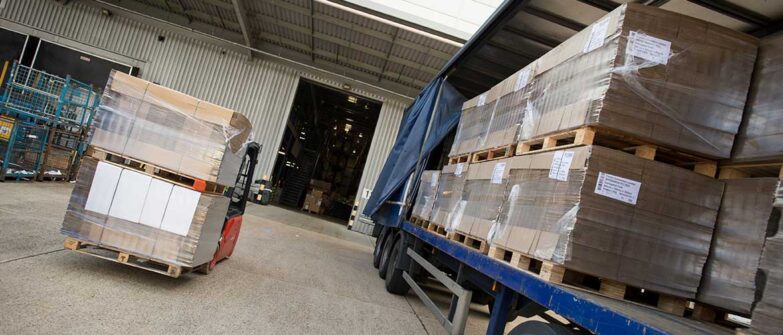
Customs and Border Protection (CBP) is stepping up inspections of wood packaging materials (WPM), creating new compliance pressures for US importers.
With enforcement activity rising and thousands more Agriculture Emergency Action Notifications (EANs) issued at major gateways, import shipments using untreated or improperly marked wood packaging now face significantly higher risk of delays, penalties and re-export orders.
A single non-compliant pallet or crate can cause an entire shipment to be held, reworked or refused. Meanwhile, US importers are increasingly exposed to unexpected costs, extended storage and disruption when their exporter’s packaging falls short of ISPM-15 requirements.
As authorities tighten controls to protect domestic agriculture from wood-borne pests, prioritising high-volume EU–US trade lanes, where palletised and crated cargo dominates, US buyers need to ensure that their exporters adopt rigorous, preventive packaging processes.
Key Risks for Imports
- Cargo holds and port delays while packaging is inspected, treated or replaced
- Re-export orders if non-compliant packaging cannot be remediated
- Higher demurrage, storage and handling fees
- Damage to commercial relationships when customer-critical cargo is delayed
- Potential monetary penalties for repeated violations
How Global Forwarding Reduces Packaging-Compliance Risk
Global Forwarding educate and support European exporters with a structured, preventative approach that reduces the chance of disruption at destination in the US. Our teams at origin and in the US work jointly to verify compliance before cargo departs – not after a CBP inspector finds a problem.
Packaging Verification
- Confirm all pallets, crates and dunnage are ISPM-15 heat-treated
- Check for legible and correctly positioned HT markings
- Ensure no bark, infestation, mould or wood deterioration is present
- Validate supplier certification for treated wood packaging
Pre-Loading Controls
- Inspect empty containers before loading
- Photograph and document all packaging used
- Verify that mixed shipments do not include untreated wood
- Secure full packaging documentation for the importer of record
Shipment Documentation
- Attach treatment certificates where required
- Include packing lists clearly identifying wood packaging use
- Share compliance records with the US Global Forwarding team for pre-arrival review
Pre-Arrival Compliance Review
- Cross-check packaging photos and documents supplied from origin
- Coordinate remediation (treatment, repacking or disposal) if required
- Provide rapid updates to avoid surprise storage and demurrage fees
- Maintain a compliance history for each trade lane and supplier
More aggressive CBP enforcement means packaging mistakes now carry outsized consequences. A proactive compliance process — built into every shipment from origin to destination — is the most reliable way to avoid cost, disruption and customer impact.
Global Forwarding provides integrated packaging compliance checks, US regulatory expertise, and on-the-ground support at both ends of the supply chain.