


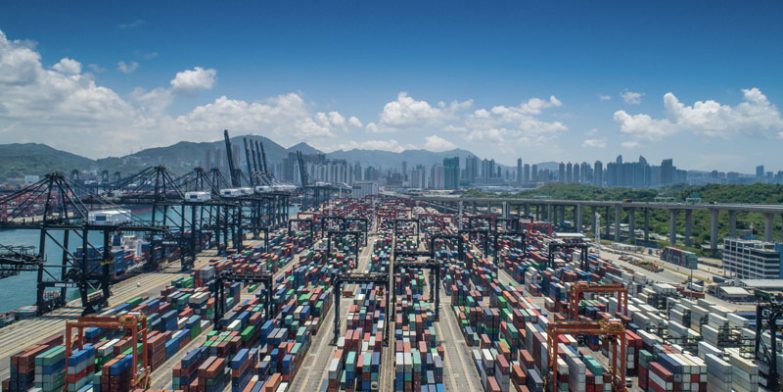
Carriers have been working hard to hold rates relatively stable by aggressively managing capacity. However, this stability is fragile. Structural oversupply has not disappeared, and the seasonal distortion created by CNY factory shutdowns could expose weaknesses in schedules, space availability and pricing as Q1 unfolds.
The weeks either side of CNY will once again test supply-chain resilience, particularly for businesses that rely on predictable sailings and just-in-time inventory.
CNY: A Short-Term Shock to an Already Sensitive Market
Chinese New Year remains one of the most disruptive periods in the global shipping calendar. Factory closures across China and parts of Southeast Asia reduce export volumes, while carriers respond by blanking sailings to protect utilisation.
In a market already dependent on capacity control, this seasonal intervention can amplify volatility. Pre-CNY front-loading may tighten space temporarily, while post-holiday restarts often trigger a surge of backlogged cargo that strains networks just as capacity is being reintroduced.
For buyers sourcing from Asia, this can result in:
- Short-notice blank sailings
- Rolled or delayed cargo around the holiday period
- Sudden rate movements once services resume
- Congestion at origin and destination ports as volumes rebound
- Late January–early February: factories begin to slow production 2–3 weeks before the holiday; bookings are brought forward, sailings fill early and some cargo is rolled.
- Mid-February–early March: factories and some logistics operations close or run at reduced capacity for 2–4 weeks; post-holiday backlogs build; carriers implement blank sailings to match lower export volumes.
- Mid-March onwards: gradual normalisation, with residual delays and congestion as ports and hinterlands clear accumulated cargo.
For shippers, this means a 6–8 week window of potential disruption, with the risk of inventory gaps around key seasonal peaks such as Valentine’s Day, Easter and spring collections.
Proactive planning is essential, which is why Global Forwarding recommends the following:
1. Lock in Space Early
Pre-CNY sailings fill quickly. Securing space two to three weeks earlier than normal reduces exposure to last-minute rollovers.
2. Build Schedule Flexibility
Avoid reliance on a single sailing or carrier. Alternative routings and departure windows improve resilience when blank sailings increase.
3. Review Inventory Buffers
Post-CNY restarts often bring congestion. Slightly higher safety stock can offset unpredictable transit times during Q1.
4. Balance Contract and Spot Exposure
Maintain a mix of contracted and spot capacity to benefit from softening markets without sacrificing guaranteed space.
5. Strengthen Communication Across the Chain
Early coordination between exporters, importers, suppliers and forwarders helps identify risk before cargo is on the water.
Rates: Stable for Now, Exposed After the Holiday Period
Rates heading into CNY remain relatively steady, supported by disciplined capacity management. However, once factories reopen and deferred cargo returns to the market, pricing may become more volatile particularly if carriers have not relaxed blank sailings or demand rebounds more than expected.
Navigating CNY disruption and an unsettled freight market requires real-time insight and flexible planning. Global Forwarding works closely with shippers to secure capacity, manage risk around peak periods, and adapt shipping strategies as conditions evolve.
If you’re planning ocean freight through CNY and into 2026, Global’s global teams can help you stay ahead of disruption — not react to it.