


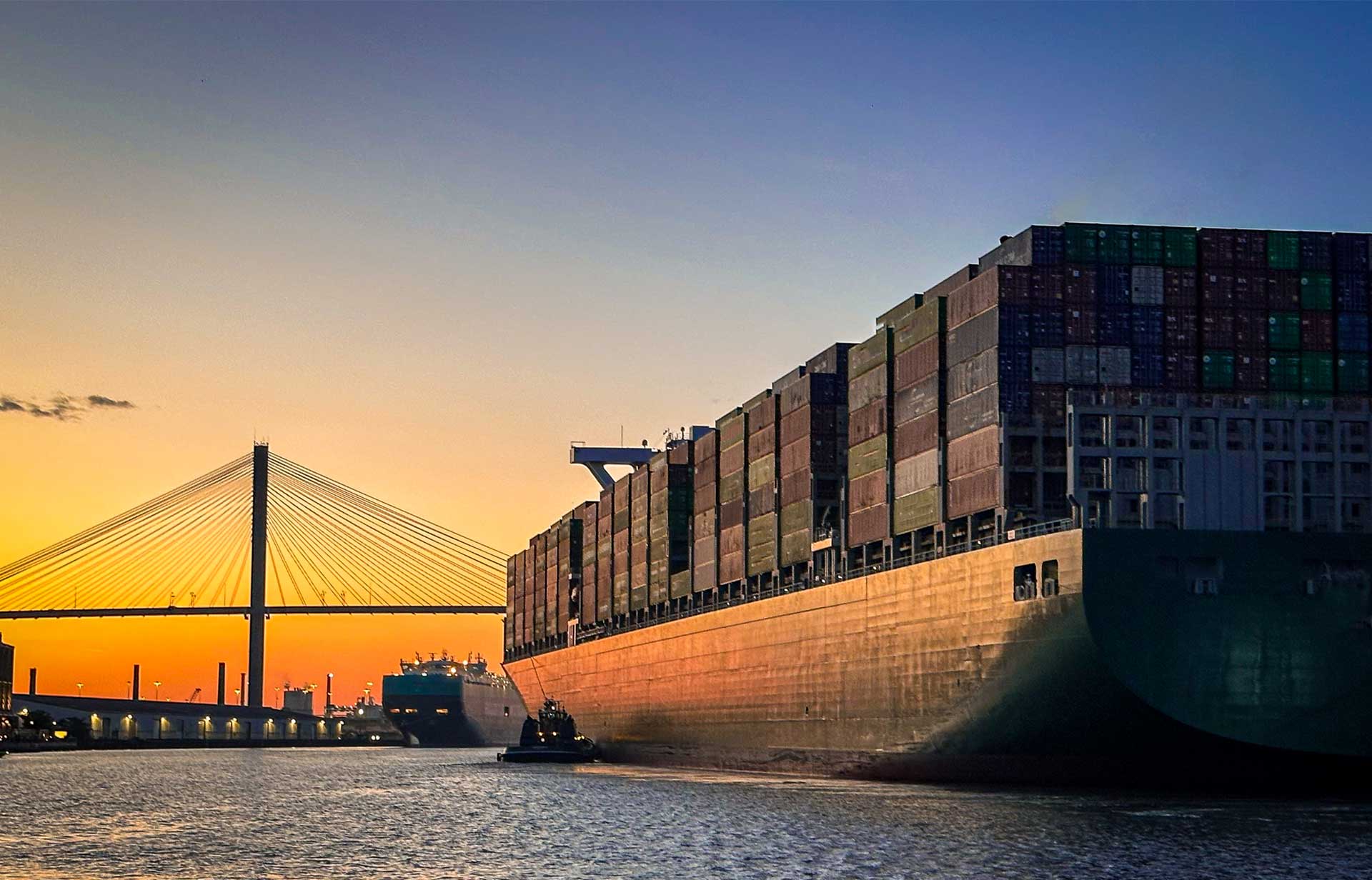
As 2026 begins, trans-Pacific ocean freight is being reshaped by an earlier-than-expected pre-Chinese New Year surge, tighter capacity and disciplined carrier behaviour — a scenario that calls for proactive planning rather than reactive booking.
Although Chinese New Year is later than usual this year, import volumes from Asia to North America have climbed ahead of historical patterns, buoying spot rates and creating temporary market uplift. However, this is largely timing-driven rather than signalling any sustained restocking cycle, and volumes are expected to ease into the traditional post-
holiday lull before rising again as deferred cargo catches up.
Capacity Control Keeps Rates Elevated
Ocean carriers have actively trimmed capacity to balance the market, pulling roughly 10 % of scheduled sailings in the key early-year window. These blank sailings — especially concentrated on eastbound Pacific lanes — have helped support rate discipline even though overall demand remains measured.
As a result, spot rates from Asia to the US West Coast have climbed more than 40 % over recent weeks, with East Coast markets also seeing significant gains. But these movements reflect seasonal strategic adjustments rather than deep-seated market tightness, and general rate increases so far have shown limited staying power.
Demand Signals Still Restrained
Importers continue to ship primarily against existing orders rather than aggressively front-loading inventories. Slower inventory growth and softer volumes toward the end of last year suggest that current rate and volume upticks are temporary features of the seasonal cycle, not a return of broad demand pressure.
Looking ahead, modest trade growth and a return to more traditional seasonal patterns are anticipated as 2026 unfolds, with a clear emphasis on operational execution and risk-aware planning for the weeks surrounding Chinese New Year.
How Shippers Can Stay Ahead
In dynamic markets such as this — where blank sailings, shifting demand and strategic carrier actions can influence rates and space availability — a responsive logistics strategy is essential. That’s where Global Forwarding adds value:
✔ Early space securing to avoid last-minute rate spikes
✔ Scenario planning that anticipates carrier capacity moves
✔ Multi-modal options (ocean, air, road) calibrated to seasonal trends
✔ Real-time market insight and proactive routing solutions
Ready to strengthen your trans-Pacific freight strategy?
Contact us today to refine your shipment plans, lock in optimal capacity and build resilient supply chain flows that stay ahead of seasonal volatility.