


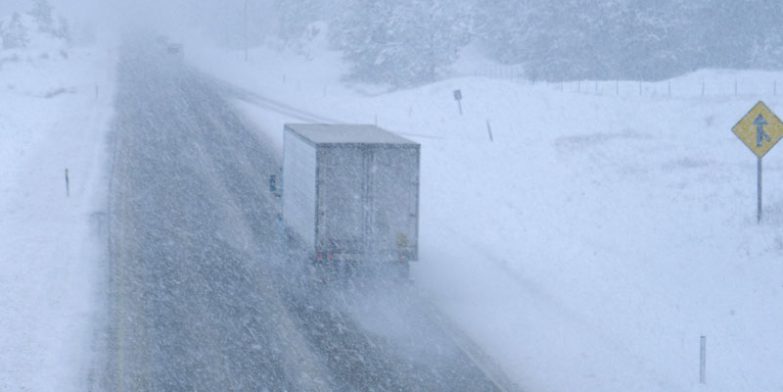
As another winter storm hits the north-eastern U.S. shippers brace for further supply chain disruption. However, the most significant impact has not been the recent storms, but the speed at which the resulting disruption has travelled through the inland logistics chain.
What began as road disruption weeks ago rapidly affected rail terminals, intermodal hubs, import and export schedules, highlighting how tightly balanced inland capacity has become. For shippers, the message is clear: reliability in U.S. supply chains is determined as much inland as it is at the port.
Capacity Shock Hits Trucking First
Severe weather removed trucking capacity almost overnight. Spot load postings surged 40% week-on-week as available equipment tightened rapidly.
Dry-van pricing recorded its sharpest weekly rise in more than three years, while
refrigerated transport climbed even faster as cargo owners sought protection for temperature-sensitive goods. Unlike previous winter events, recovery has been slower.
Earlier storms produced only modest rate movement, while the latest created immediate and significant swings. The difference is structural: the market no longer carries surplus capacity. Even short-term disruption now produces outsized pricing reactions.
Structural Market Pressures Extend the Impact
The disruption coincides with improving U.S. manufacturing activity, signalling a gradual return of freight demand. At the same time, stricter enforcement around driver licensing and language compliance is pushing freight towards larger asset-based carriers.
This shift reduces independent trucking availability and intensifies competition for contracted capacity.
As the spring produce season approaches, traditionally the tightest period for refrigerated equipment, additional pressure is expected. Historically, when reefer markets tighten, dry-van rates follow, meaning inland transport costs may remain elevated well beyond the weather event itself.
Rail and Intermodal Feel the Backlog
While line-haul rail operations stabilised quickly, congestion migrated inland.
Key hubs including Memphis, Chicago and Cincinnati continue clearing accumulated volumes. Container availability times have doubled at some terminals, with dwell periods rising from roughly one day to nearly three.
Drivers report extended waiting times caused primarily by crane and yard handling constraints rather than chassis shortages. Repositioning containers within stacks has also generated additional handling charges, increasing the risk of detention and demurrage exposure.
The result is a slower cargo release cycle even after rail transit normalises.
Why It Matters to Shippers
For importers and exporters disruption does not stop at the gateway port. Inland performance directly affects global schedules:
- Trucking spikes alter landed-cost calculations
- Rail congestion delays import deliveries and export positioning
- Produce season tightening pushes up equipment pricing
- Missed cut-offs threaten vessel connections
Even after weather improves, constrained capacity could potentially allow disruption to linger for weeks.
How Global Forwarding Supports Stable Supply Chains
Global Forwarding actively manages inland transport as part of the international movement, not as a separate step. By working with established carrier networks, monitoring terminal conditions and adjusting routing early, the team helps minimise cost exposure and schedule risk.
Through coordinated trucking, rail and ocean planning across the U.S. and Asia offices, Global provides end-to-end visibility and contingency options before disruption escalates.
If your cargo depends on inland connections, speak with Global Forwarding about strengthening routing strategies and protecting transit reliability before the next capacity shock reaches your supply chain.