


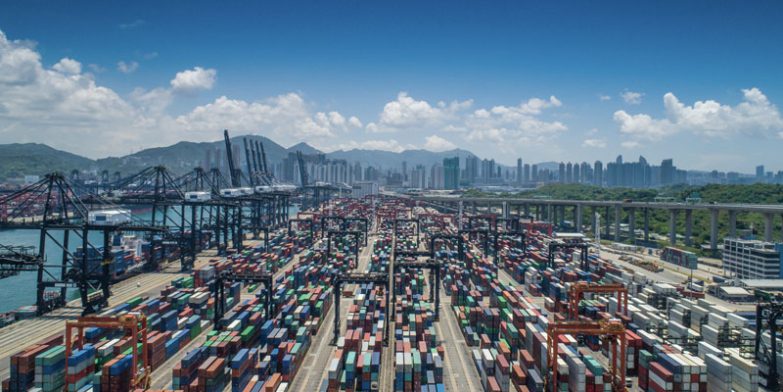
Container shipping markets on the main east–west trades are tightening rapidly as importers accelerate orders, carriers impose new surcharges and available vessel space becomes increasingly constrained ahead of the traditional peak season.
What would normally be a relatively steady early-summer market has shifted into a far more aggressive pricing environment, with both Asia–Europe and transpacific trades now experiencing significant upward pressure on spot rates, fuel-related charges and peak-season surcharges.
For shippers moving cargo over the next two to three months, the market is becoming less flexible, more expensive and increasingly difficult to secure space in at short notice.
Demand surge collides with rising carrier costs
Several market forces are now converging simultaneously, creating a sharper-than-expected tightening across the global container sector.
One of the biggest drivers is the acceleration of bookings ahead of revised Bunker Adjustment Factors (BAFs) due to take effect from 1 July. With fuel-related surcharges expected to rise materially, many beneficial cargo owners (large volume shippers) are attempting to move July and August shipments earlier where possible.
This front-loading effect is compounded by many shippers moving orders ahead of the traditional peak, to avoid anticipated disruption. Together these are creating concentrated pressure on vessel allocations during June, particularly on Asia–Europe services where forward capacity is tightening week by week.
At the same time, shipping lines are continuing to push through Peak Season Surcharges (PSS), with additional rounds of increases already being discussed across several major trades. Unlike some previous surcharge cycles, carriers are showing little sign of limiting the scale or duration of increases while demand remains strong.
The result is a market where rate escalation is being supported by both genuine space pressure and disciplined carrier pricing strategies.
Asia–Europe rates continue climbing
On Asia–Europe services, carriers have regained considerable pricing power after a softer start to the year.
Forward bookings have strengthened sharply, particularly among larger BCOs looking to secure allocations before higher fuel-linked costs are implemented in July. Spot market expectations continue moving upward, with further increases anticipated during the second half of June, potentially upto USD 7000/40ft, as available capacity tightens further.
Many shippers are also finding that rate validity periods are shortening, while some previously quoted pricing agreements are being reviewed or withdrawn altogether as carriers reassess market conditions.
Current expectations across the trade suggest elevated pricing and constrained capacity could continue through June and July, with some risk of disruption extending into August if demand remains front-loaded.
Transpacific trade also facing tighter conditions
The transpacific market is developing along a similar trajectory.
Capacity reductions, including service adjustments on Asia–US East Coast routes, have reduced available space at the same time that carriers are implementing multiple rounds of General Rate Increases (GRIs).
Although rate indices had previously shown signs of stabilisation, the balance has shifted again in favour of carriers as booking volumes strengthen and supply becomes tighter.
For US importers sourcing from Asia, securing capacity at current levels is becoming increasingly time-sensitive, particularly for cargo planned for late June and July departures.
What shippers should prioritise now
Businesses with planned shipments across Asia–Europe or transpacific trades should review freight strategies immediately as market conditions continue evolving.
Key priorities include:
- Securing bookings as early as possible to protect sailing options
- Allowing additional budget for fuel-linked increases and PSS adjustments
- Reviewing whether selected July or August cargo can be advanced
- Reconfirming which quoted rates remain contractually protected
- Building additional schedule flexibility into supply chain planning
The combination of tightening space, increasing surcharges and shorter booking windows is reducing the market’s tolerance for late planning decisions.
Maintaining flexibility in a fast-changing freight market
The current market environment highlights how quickly global ocean freight conditions can shift when carrier pricing strategies, fuel costs and seasonal demand begin moving in the same direction.
Global Forwarding continues to monitor carrier capacity, sailing schedules and pricing developments across the major east–west trades, helping customers manage booking strategies and minimise disruption during periods of tightening market conditions.
Whether supporting Asia–Europe imports, transpacific shipments or wider global supply chains, proactive planning and early visibility are becoming increasingly important as the market moves deeper into the peak-season cycle.