


US trucking costs are moving higher as available capacity tightens and fuel prices add pressure across full truckload and less-than-truckload networks. Although freight demand remains uneven in some regions, shippers are facing a firmer market as they approach the traditional pre-holiday peak.
This means transport budgets and routing decisions should be reviewed before fourth-quarter demand intensifies. The strongest pressure is currently visible in Western and south-western markets, but the impact is spreading through the wider US freight network.
The direction of travel is increasingly clear: trucking capacity is becoming more valuable, and delaying procurement in expectation of substantially lower costs may expose businesses to greater expense and reduced service flexibility.
FTL costs climb despite mixed freight demand
Headline spot rates have eased slightly from their early-July peak, but this appears consistent with normal seasonal movement rather than evidence of a sustained market decline.
National dry-van spot rates remain more than 40% higher than a year ago and approximately 30% above their nine-year seasonal average. Once fuel is included, the increase is more pronounced: the weighted national average shipper-paid spot rate rose by just under 50% year on year in July.
Regional differences are substantial. Second-quarter shipper expenditure increased 28% nationally but rose by 40% in the Southwest and by nearly the same amount in the West. In the Northeast, Southeast and Midwest, expenditure increases were closer to 25%.
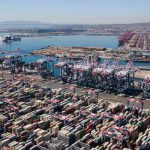
California offers a clear example of tightening conditions. Outbound shipper-paid spot rates from Los Angeles rose by more than 50% year on year in July, reflecting stronger inland freight flows from the country’s largest container gateway alongside reduced trucking availability.
Importantly, higher prices are not being driven solely by stronger freight volumes. Southwest shipment volumes fell 20% year on year during the second quarter, while shipper expenditure rose by almost 40%. This demonstrates how quickly reduced capacity can increase costs even when underlying demand is subdued.
Fuel is magnifying the impact. US diesel prices have increased 40% year on year, raising carrier operating costs and the fuel surcharges passed through to customers.
With normal pre-holiday seasonality typically lifting trucking demand further, shippers should plan for a firmer FTL environment as Q4 approaches.
LTL pricing increases through base rates and fuel
The LTL market is showing an even more pronounced upward pricing trend, as carriers combine higher base tariffs with significantly increased fuel surcharges.
Recent carrier rate actions include general increases of around 7%, while some contractual renewals are generating increases of more than 10%.
The final cost impact is considerably greater once fuel is included. The US long-distance LTL producer price index rose 18% year on year in June, following increases of approximately 20% in April and May.
Fuel surcharges were more than 60% higher year on year in June and are estimated to add as much as 10 percentage points to some measures of overall LTL cost.
One major LTL carrier reported that revenue per shipment rose 7% excluding fuel but more than 17% once fuel surcharges were included. For shippers, this shows why a headline carrier-rate increase may materially understate the final transport-cost increase.
There are also signs that pressure in the FTL market is affecting LTL networks. As full-truckload capacity tightens, some shipments that sit between the two modes are moving back into LTL networks. While LTL can provide a valuable alternative, carriers have limited incentive to take larger multi-pallet consignments that are harder to handle efficiently within hub-and-spoke operations.
Review US transport plans before peak demand
The combined effect of tighter capacity, carrier pricing discipline and elevated diesel costs means both FTL and LTL shippers should expect continuing upward cost pressure through Q4 and potentially into 2027.
Businesses should now review:
- FTL and LTL spend, including the full impact of fuel-surcharge mechanisms.
- Regional exposure, particularly in the West, Southwest and Southern California.
- Capacity requirements for the pre-holiday and Q4 shipping period.
- Opportunities to consolidate loads, adjust delivery windows or use different modes.
- Carrier allocation, service reliability and contingency-routing options.
Our New Jersey team can review your US domestic trucking requirements, compare FTL and LTL options, evaluate fuel and accessorial costs, and secure appropriate carrier capacity before the market tightens further.
Talk to Global Forwarding about your US trucking requirements, upcoming budget exposure and the capacity strategy needed to protect your Q4 deliveries.