

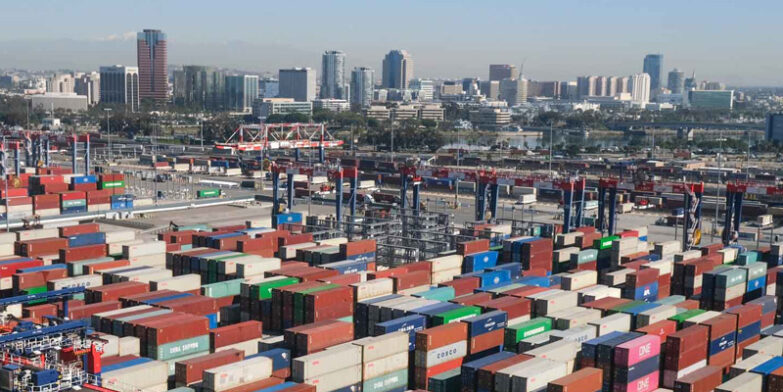
Container demand from Asia into the US west coast is continuing to outperform several other major east-west trades, as importers accelerate shipments and carriers maintain tight control over available capacity.
While spot pricing on Asia-Europe and some US east coast services has softened in recent weeks, west coast rates have remained comparatively resilient. The market is being supported by a combination of front-loaded inventory movements, disciplined carrier capacity management and ongoing concern that disruption later in the year could create tighter conditions during the traditional peak season.
As a result, Asia–US west coast pricing remains significantly above levels seen before the escalation of the Middle East crisis, despite wider uncertainty around consumer demand and global trade growth.
Importers move earlier to reduce risk exposure
A growing number of shippers appear to be adopting a precautionary approach to inventory planning, bringing cargo forward to avoid potential congestion, capacity shortages and operational disruption later in 2026.
Industry analysts believe many importers are attempting to secure stock earlier than usual ahead of expected third-quarter pressure, particularly for retail, consumer goods and event-related supply chains.
Major sporting events in North America are also contributing to earlier inventory movements, with large consumer brands understood to be front-loading shipments to reduce exposure to possible peak season disruption.
At the same time, carriers have maintained relatively disciplined capacity management following post-Lunar New Year adjustments, helping sustain pricing despite only moderate improvement in underlying consumer demand. Additional surcharges introduced on Asia-US services also suggest carriers expect demand conditions to remain firmer through the summer period.
Asia-Europe conditions remain more uneven
The contrast with Asia-Europe highlights how fragmented freight markets have become.
Rates into North Europe and Mediterranean markets have softened slightly as carriers respond to weaker demand conditions and comparatively higher available capacity across some corridors. Shipping lines have introduced additional blank sailings during May in an effort to stabilise utilisation and support pricing levels.
However, conditions remain highly fluid. Pricing and capacity are increasingly being shaped by corridor-specific factors including inventory strategy, operational disruption, fuel costs and carrier network adjustments rather than broader global trends alone.
For shippers, timing is becoming increasingly important. If front-loading activity continues through early summer, Asia-US west coast services could experience prolonged peak season conditions well ahead of the traditional third-quarter surge.
Global Forwarding helps customers manage volatile market conditions through proactive capacity planning, flexible ocean freight solutions and alternative routing strategies designed to support supply chain continuity during periods of disruption and shifting demand patterns.