

Improving stability in the Middle East is providing cautious optimism for global trade, but supply chains are entering a complex transition period rather than emerging from disruption.
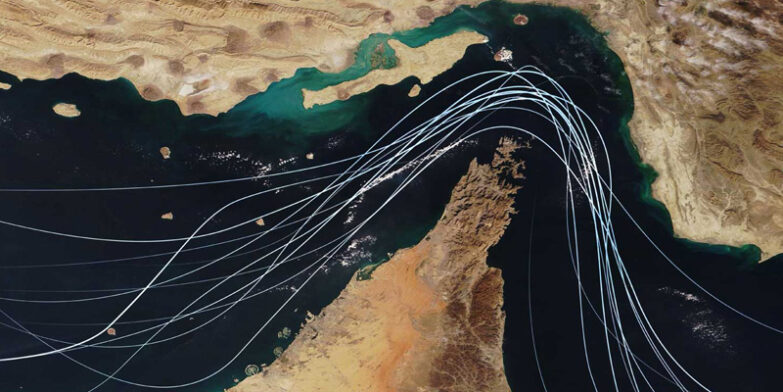
With ceasefires holding and diplomatic efforts progressing, attention is turning to the phased reopening of the Strait of Hormuz. Current industry expectations suggest a recovery period of up to three months, as shipping networks work through the operational consequences of prolonged restrictions.
This transition phase is likely to test supply chain resilience just as much as the disruption itself.
Recovery will be uneven
Although vessel movements are beginning to resume, the Strait is not yet operating under normal conditions. Traffic remains controlled, safety procedures are ongoing, and insurers continue to apply heightened risk assessments.
Shipping lines are reintroducing capacity carefully, meaning service restoration will vary by trade lane and carrier. Businesses should expect inconsistencies in transit times and routing options as networks rebalance.
At the same time, a significant volume of delayed cargo is re-entering circulation, creating pressure across ports and logistics infrastructure.
Congestion and capacity challenges ahead
The release of accumulated cargo is expected to drive congestion across key Gulf hubs and beyond. Transhipment ports, in particular, may experience bottlenecks as carriers work through repositioning containers and clearing backlogs.
This will have several knock-on effects:
- Longer dwell times at ports and terminals
- Temporary equipment shortages in certain regions
- Increased competition for available vessel space
Inland transport networks will also feel the strain, as trucking and feeder services adjust back from contingency routing to standard operations.
Cost pressures remain embedded
While oil prices have eased, underlying volatility remains a key concern. The Strait of Hormuz remains central to global energy flows, and any disruption to its reopening could quickly drive renewed price increases.
Fuel-related costs continue to impact all modes of transport:
- Ocean freight faces sustained bunker surcharges
- Air freight is influenced by jet fuel pricing and capacity constraints
- Road transport remains sensitive to diesel price fluctuations
These factors mean that cost stability is likely to lag behind operational recovery.
Supply chain strategies are evolving
The past months have accelerated structural changes in supply chain design. Many organisations have moved away from lean, single-route models in favour of more flexible and diversified approaches.
Alternative trade routes, multi-sourcing strategies, and increased inventory buffers are becoming standard practice rather than temporary fixes. This shift reflects a broader recognition that geopolitical risk is now a persistent feature of global trade.
The reopening of the Strait of Hormuz is a significant step, but it does not mark the end of disruption. Instead, it signals the beginning of a recalibration period where networks, costs, and strategies gradually realign.
Global Forwarding supports customers through periods of volatility with integrated freight solutions, real-time market insight, and adaptive routing strategies across ocean, air, and inland transport.
To understand how these developments could impact your supply chain, contact Global Forwarding to explore tailored solutions that keep your cargo moving reliably in uncertain conditions.